Heritage and preservation
“Igusa” used as a material for tatami mats is also mentioned in the oldest book in Japan, the Kojiki, and has supported the lives of Japanese people for over 1,300 years.However, due to the rapid spread of artificial and imported “igusa” in the past 30 years, Japan’s igusa industry is in danger of disappearing.According to statistics from Yatsushiro City, Kumamoto Prefecture, which accounts for more than 95% of domestic “igusa” production, at its peak in 1989, the cultivated area was approximately 6,630 hectares and the number of farms was 5,460.

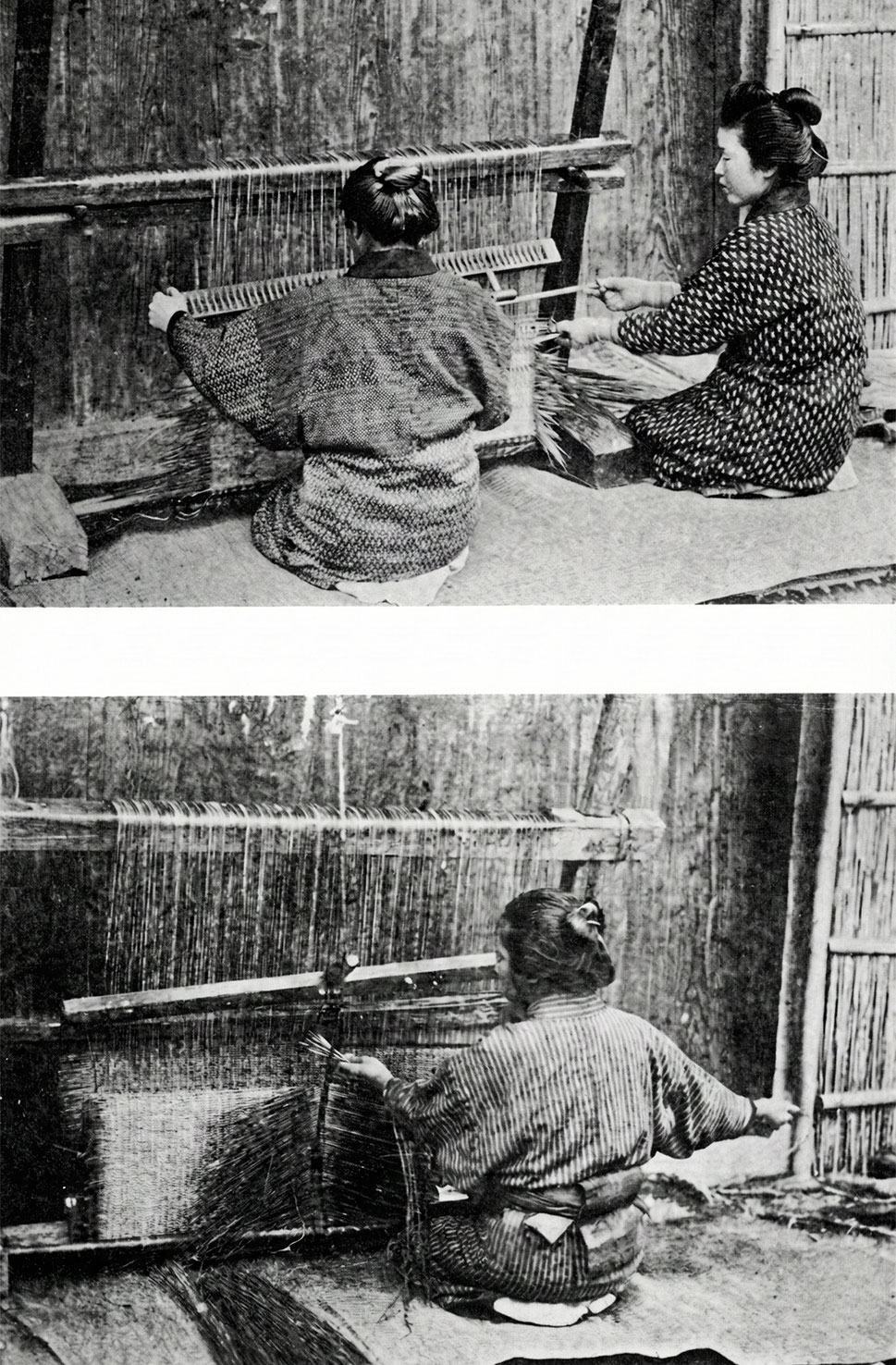
However, according to statistics for 2024, the cultivated area has dropped sharply to 319 hectares and the number of farms has also dropped to 266, falling to less than 5% of the peak.Furthermore, many farmers are facing problems such as a lack of successors and aging, and 30 to 40 farms go out of business every year.If the situation continues as it is, we are facing a serious situation in which the “igusa” industry itself may disappear within the next 5 to 10 years.
What can we do?


1. Support
We hope to convey to many people the beauty and functionality of “igusa”, as well as the current situation in which this traditional industry that has supported Japan’s living environment for 1,300 years is facing threat.
2. Develop
By incorporating “igusa” into furniture rather than traditional tatami mats, we hope to expand its new possibilities and find a home in interior spaces around the world.
3. Give future
We value the consumer’s perspective and propose new lifestyles that incorporate “igusa” to people all over the world. Furthermore, through these efforts, we hope to bring back the former vitality of Japan’s “igusa” industry and pass it on to the future.