


The Japanese–style room
Japanese architecture has developed in a way that takes advantage of the warm and humid environment and abundant wood resources that still account for 67% of the country’s land area. In the first place, there is no concept of interior and exterior, and when you open the ancient sliding doors, the architecture is characterized by a well-ventilated space that becomes one continuous space. This is also a form that adapts to the Japanese climate, and culture has developed through this interaction and has shortened the distance with nature. This attitude of incorporating the environment is reflected in the materials used indoors, and has made it possible to live using natural materials. Due to the culture of slipping on shoes and low seating, the surface area of the body that comes into contact with the floor is large, so natural materials with a nice texture such as rush grass are laid out, and from the viewpoint of low seating, borrowed scenery is created that cuts out the landscape horizontally and vertically, and an aesthetic sense that allows one to experience the rich four seasons is cultivated.Original Japanese architecture is built with a sense of gratitude for nature, reconstructing natural materials in a way that is close to people’s lives. A deep understanding and respect for nature has allowed us to gain insight into materials, understand their functional properties, and discover beauty.
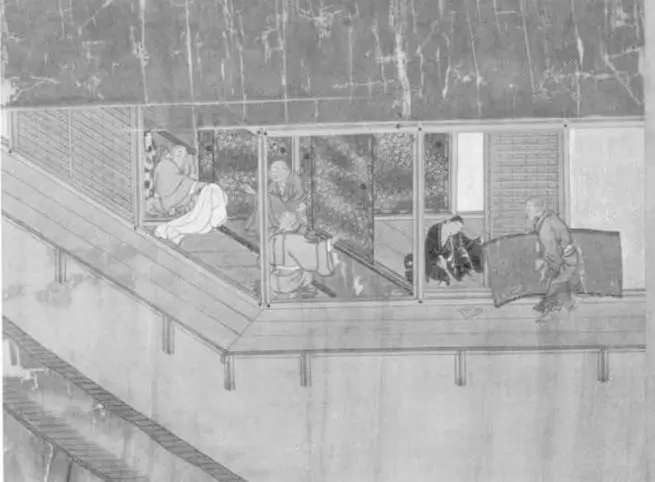
WASHITSU 和室
design
principles
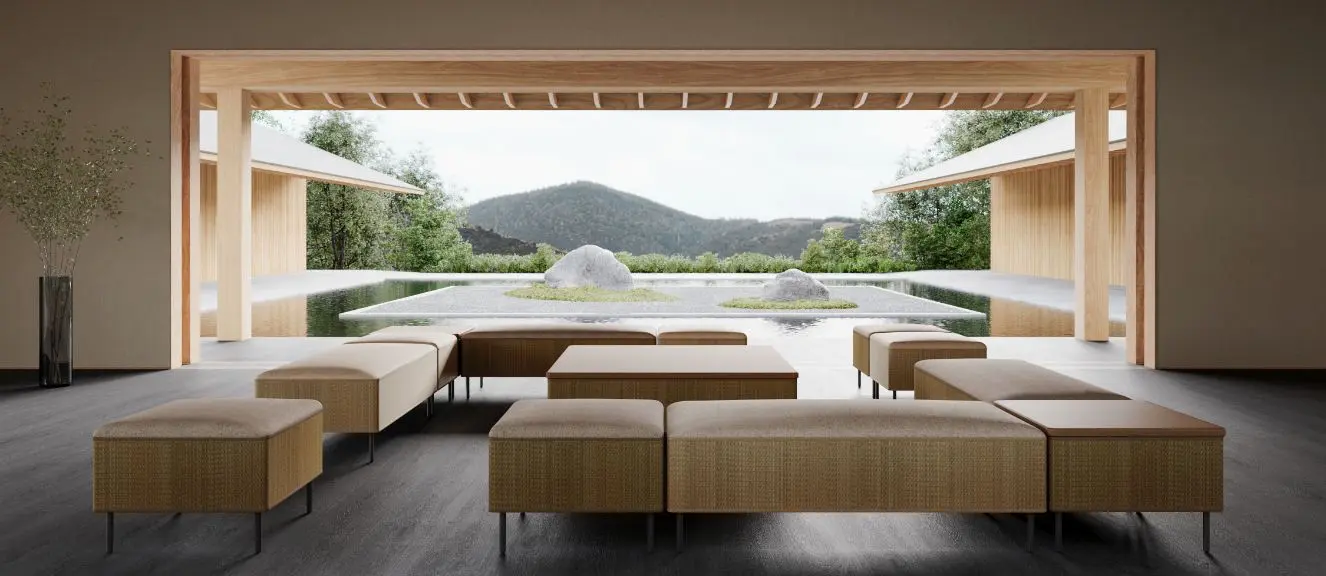
Extensive use of natural materials
Such as wood, paper, and straw.Soft,natural flooring surface, typically tatami,are made of rice straw and covered with woven rush grass, Igusa, our signature material that provides fundamental health benefits: it has strong deodorizing power, is long-lasting, and works as a purifier and humidity controller over time.
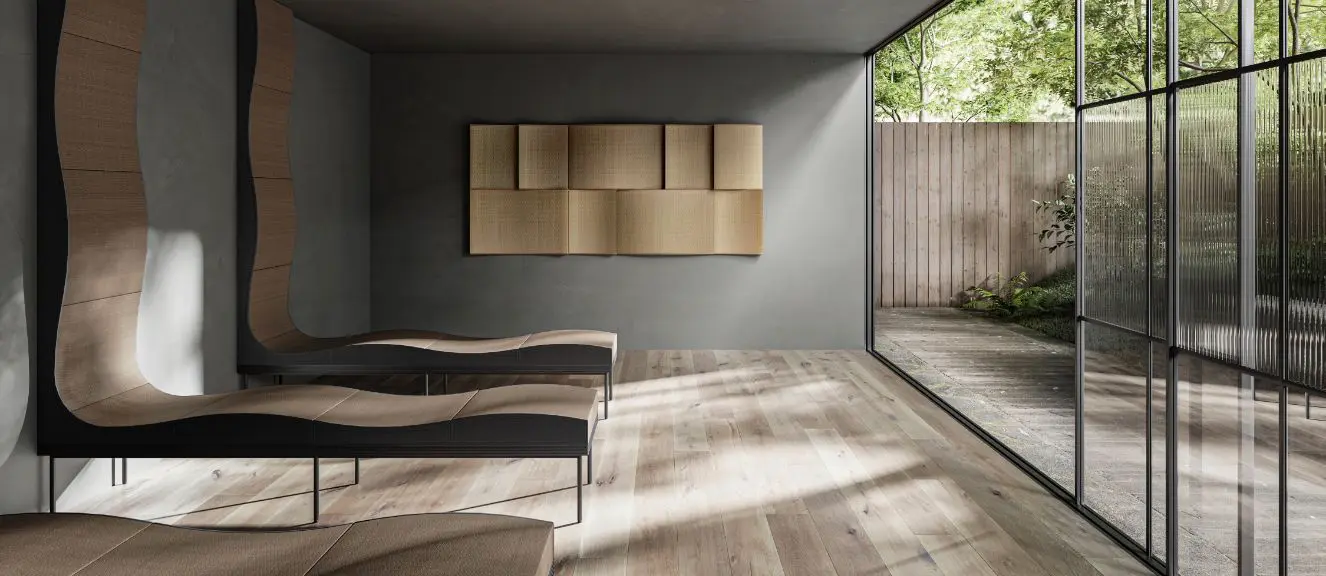
Minimalism, low furniture and aesthetic accent.
Japanese aesthetics often prioritize simplicity and minimalism. Therefore, Japanese-style rooms tend to have crean lines, uncluttered spaces and they feature low furniture such as a low table or a floor cusion. Additionally doors are often decorated, adding to the aesthetic appeal of the room.
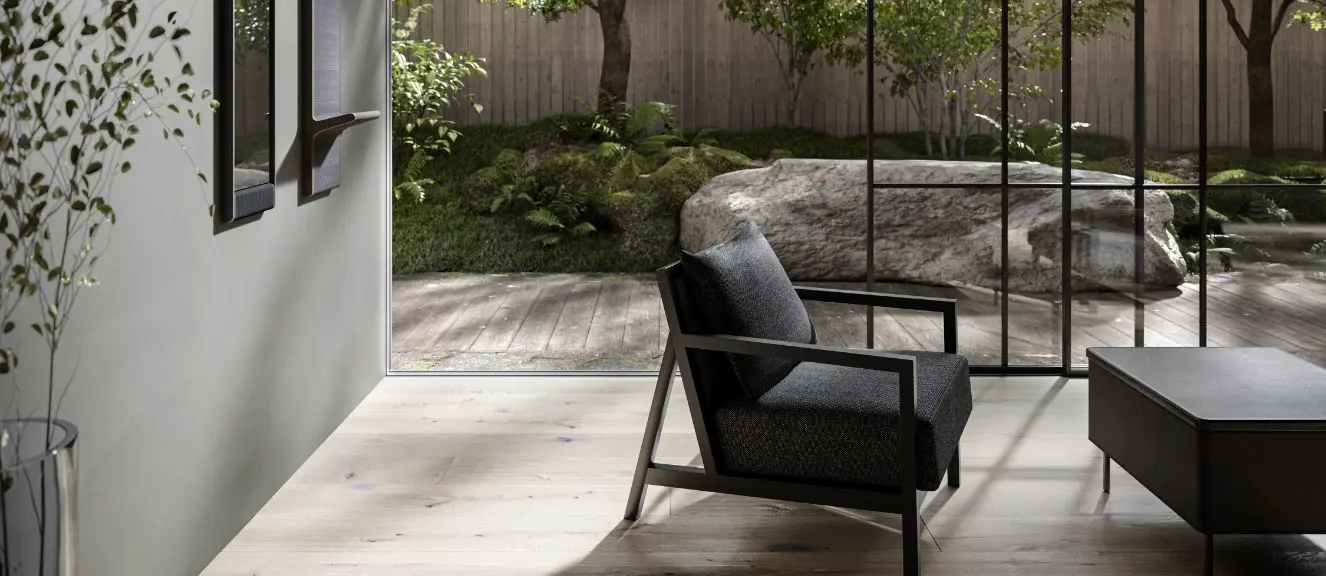
Blurred boundary between indoor and outdoor spaces.
In traditional Japanese architecture, indoor and outdoor spaces are seamlessly connected, creating a sense of harmony with nature. Moreover, the study of light plays a specific role in shaping the atmosphere in relation to the exterior.
Get more information
We are happy to provide you with more information about our company, collections, services, and customization options.